
30th Anniversary of the Morningside Center of Mathematics
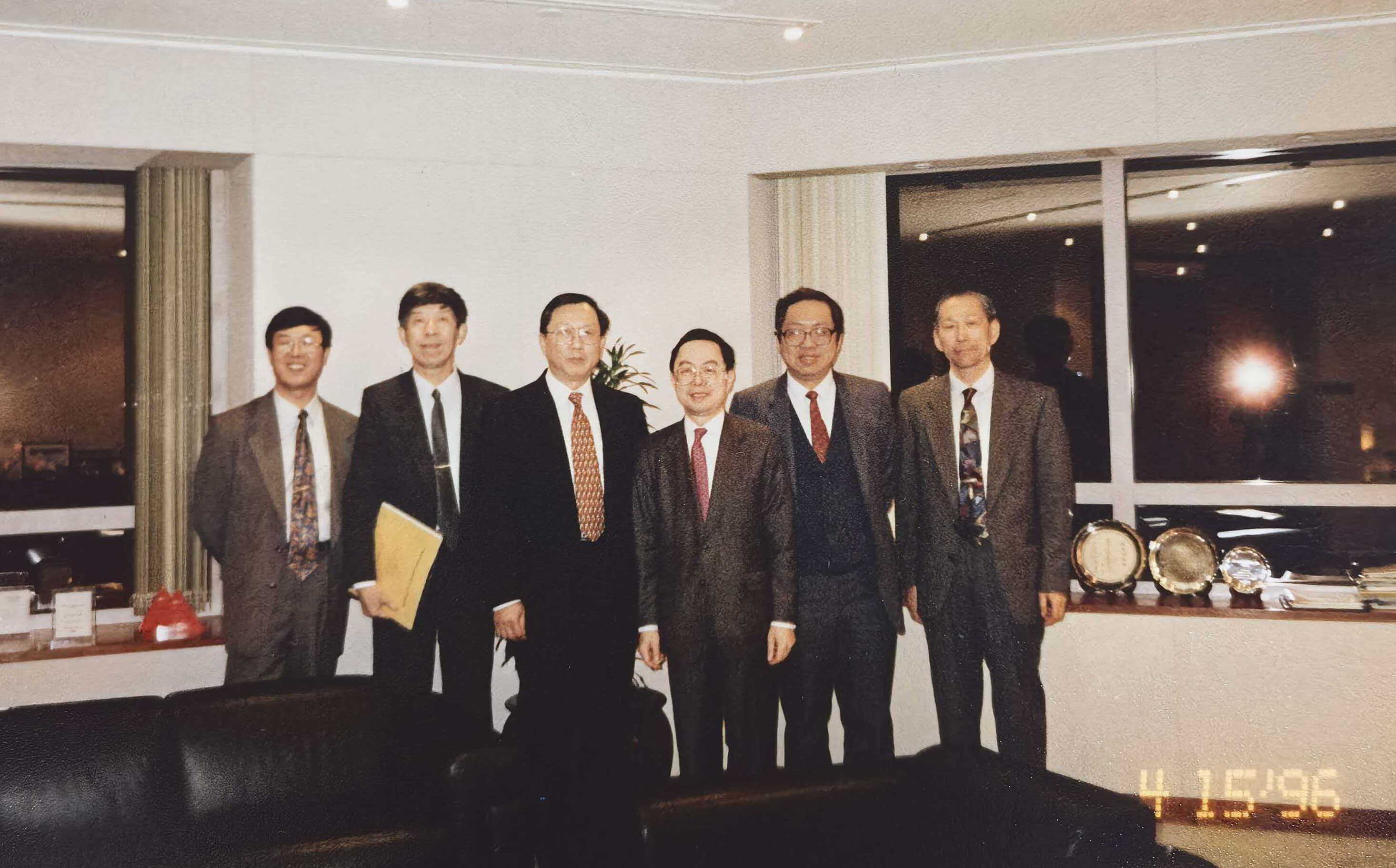
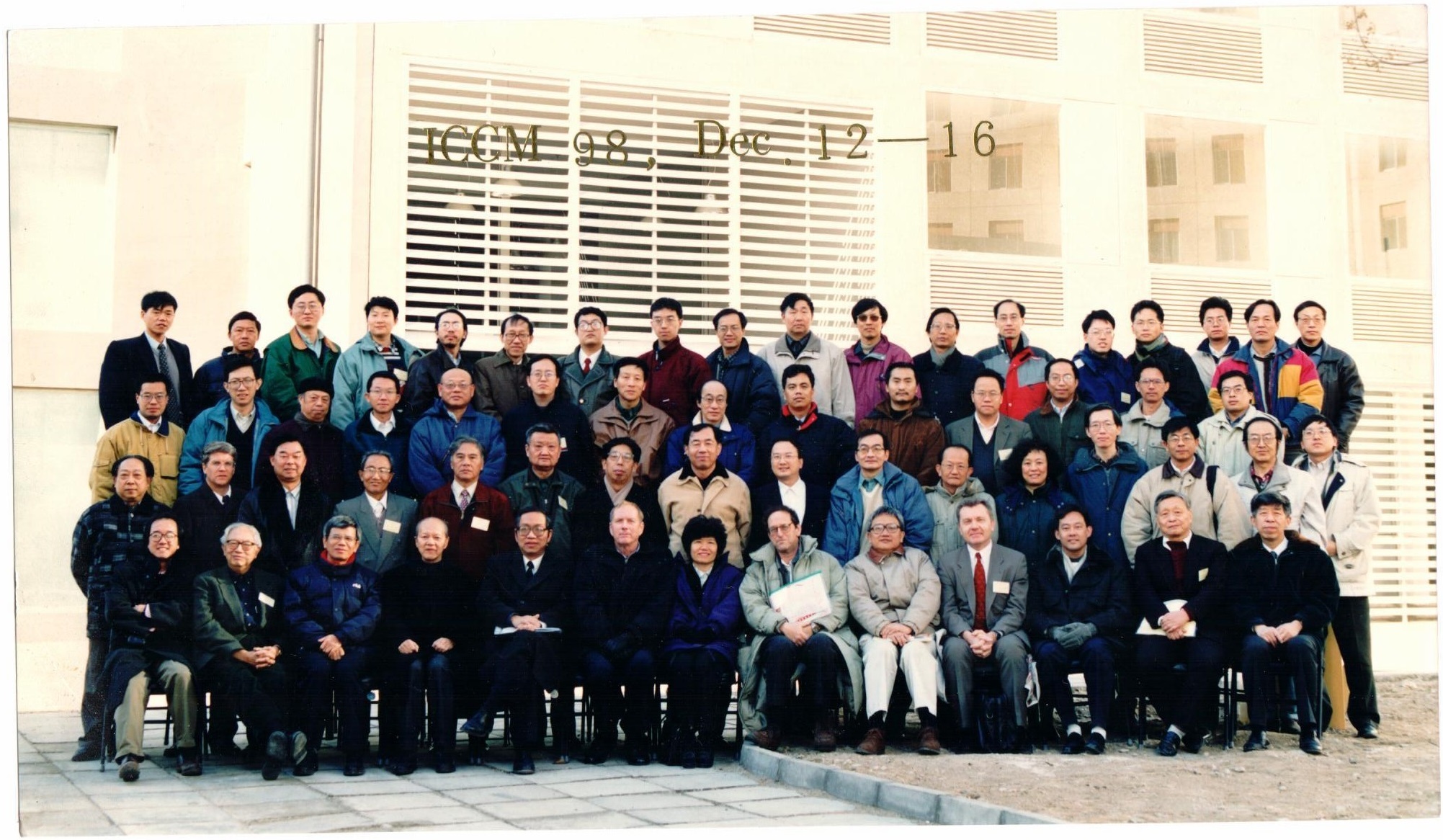
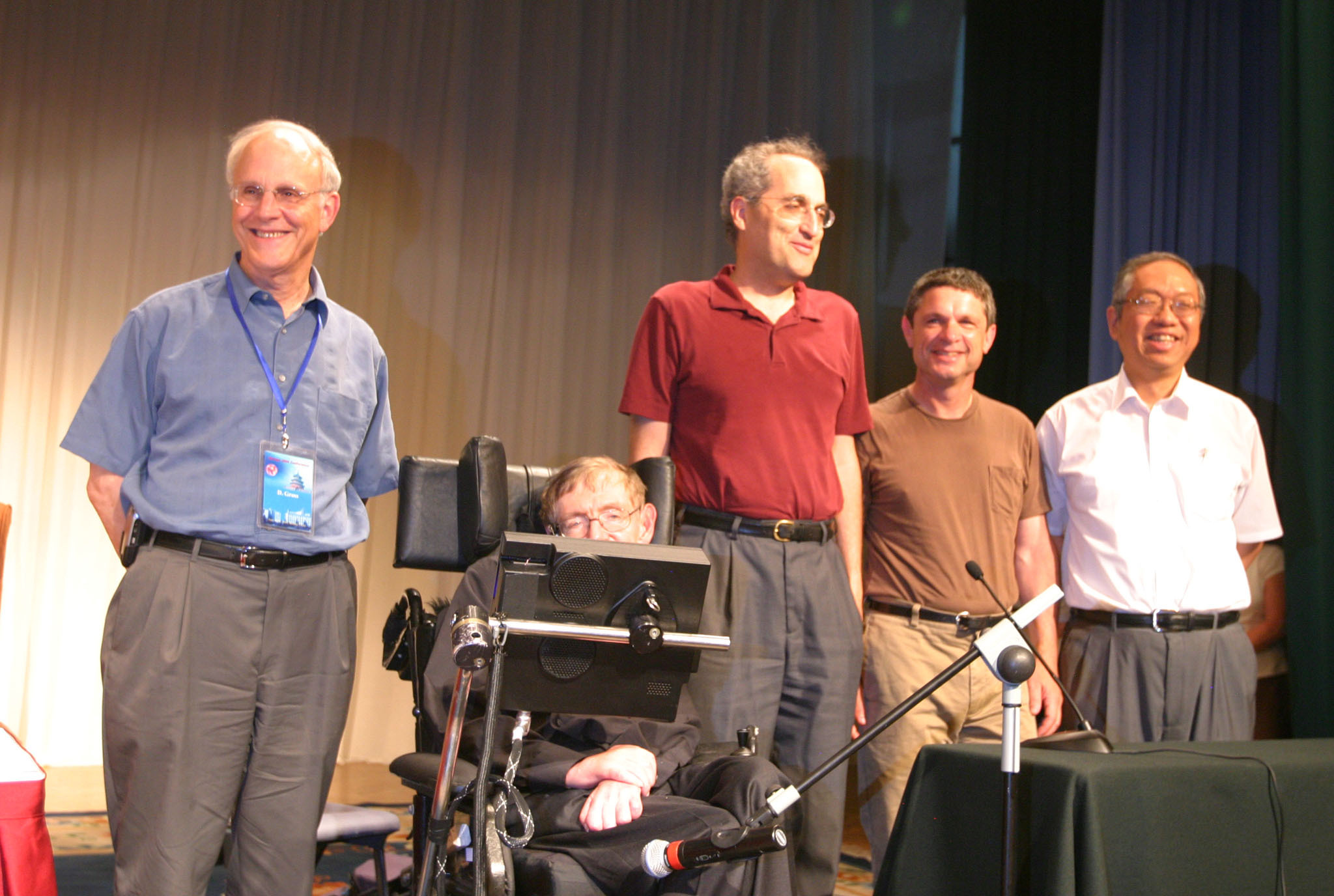
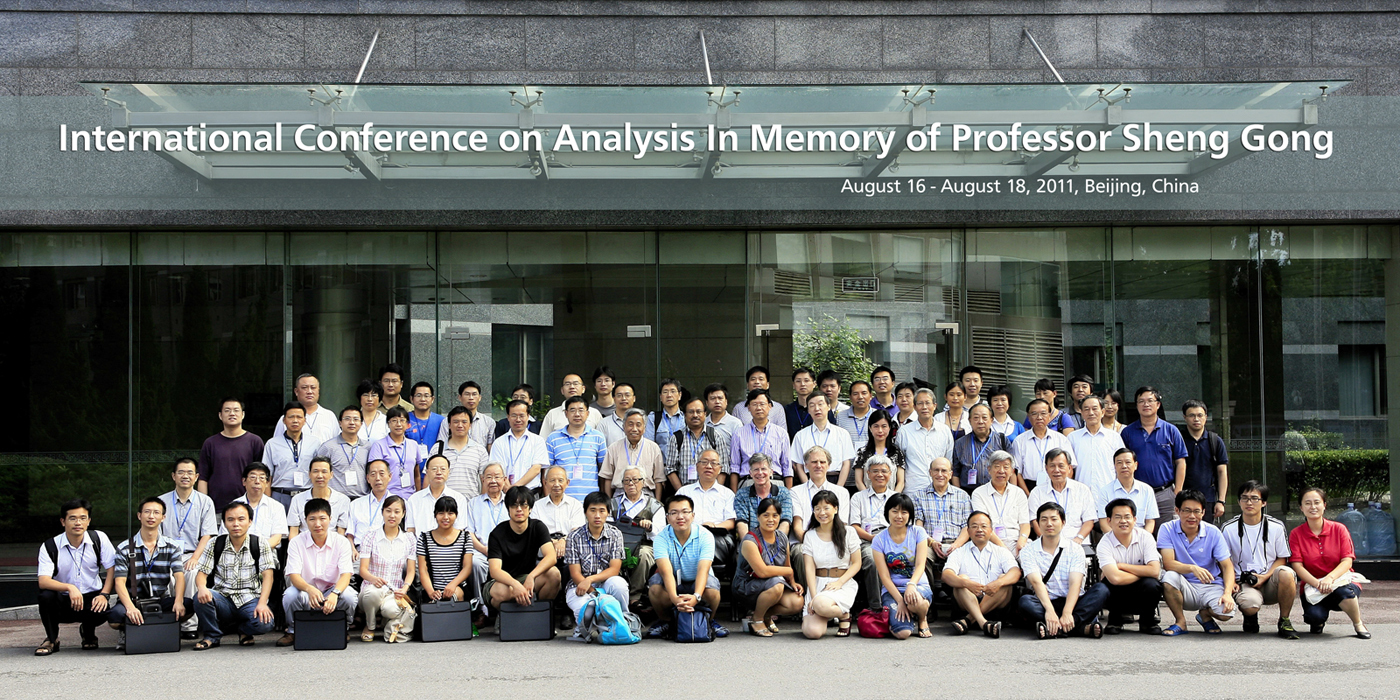
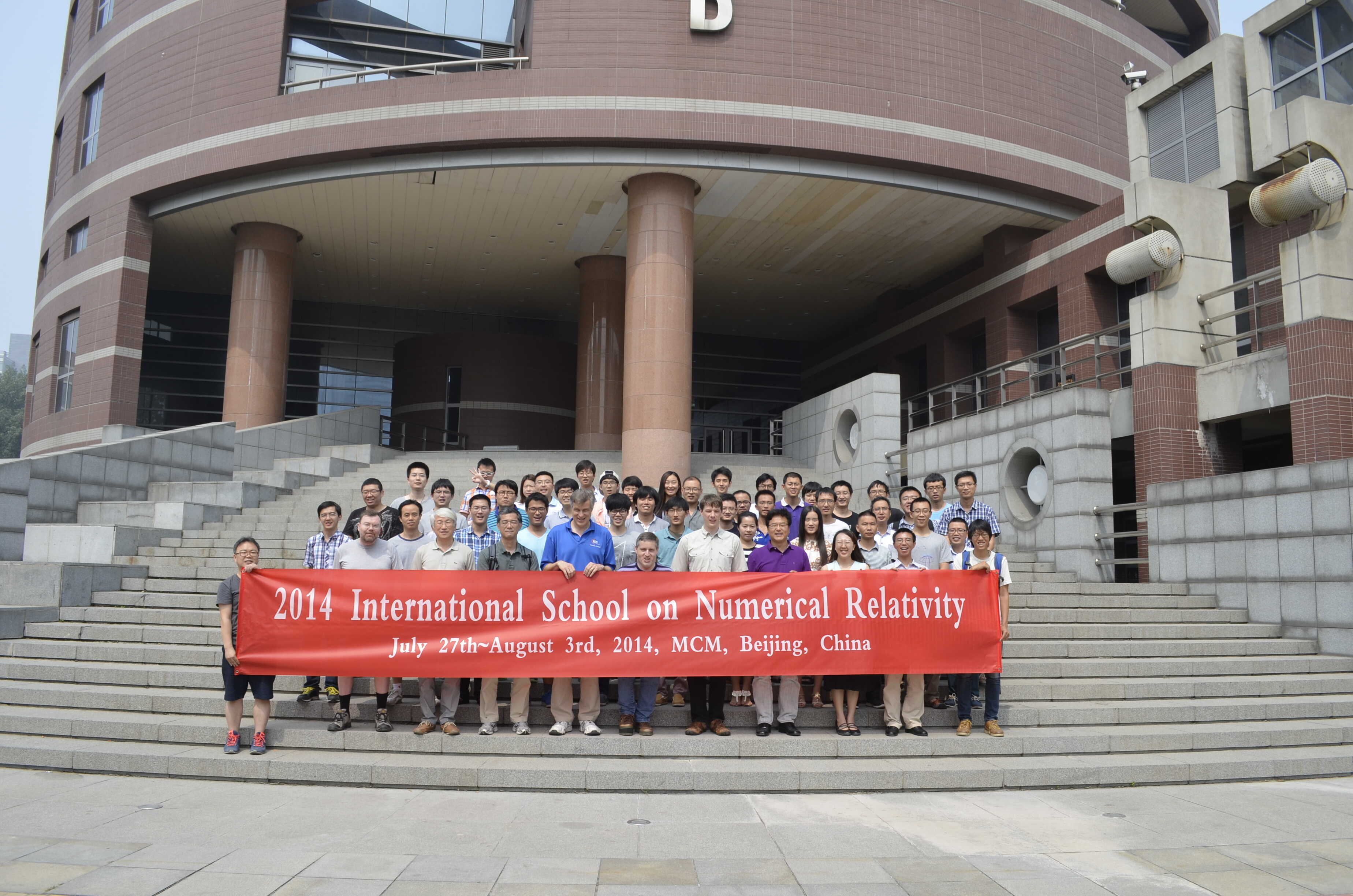
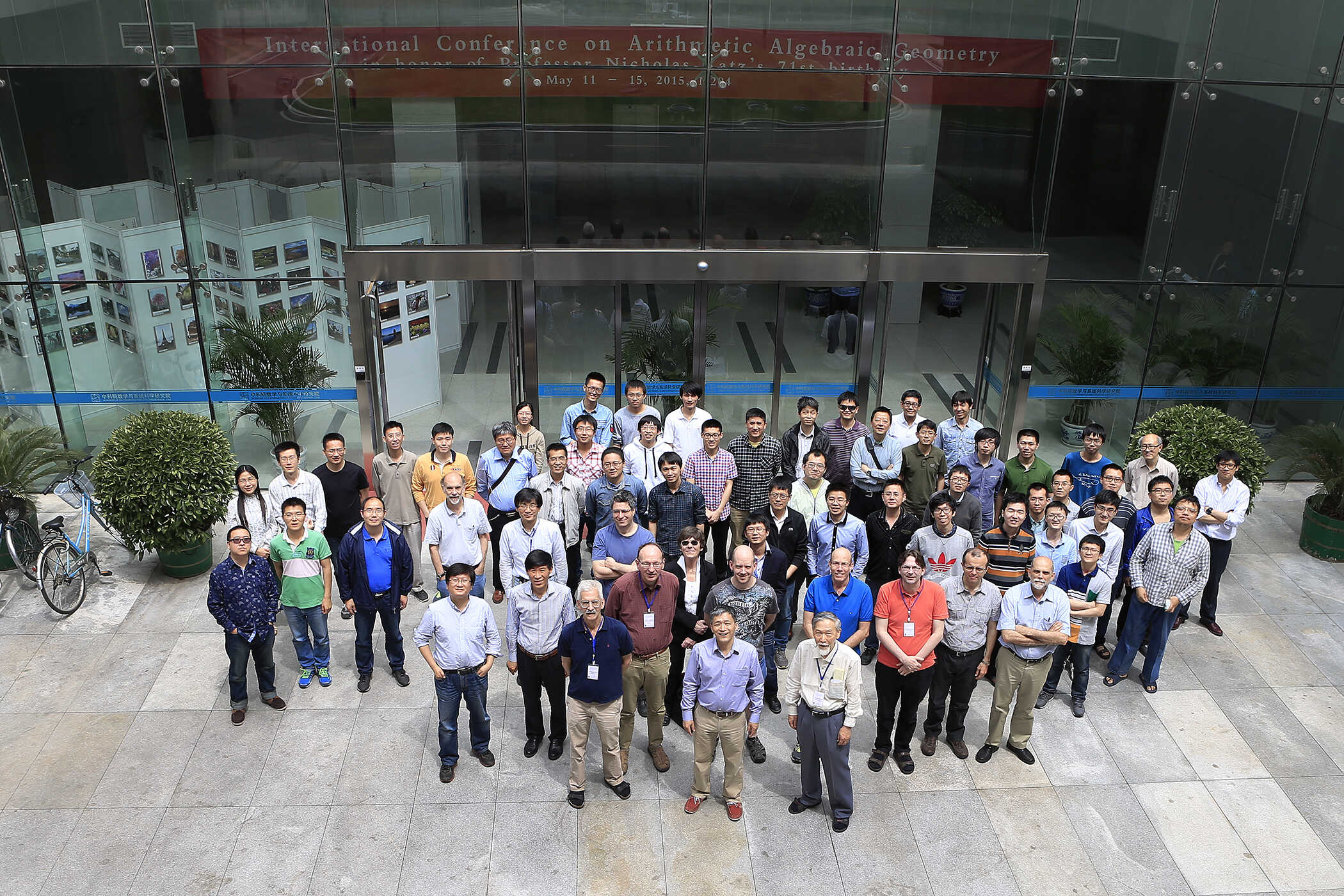
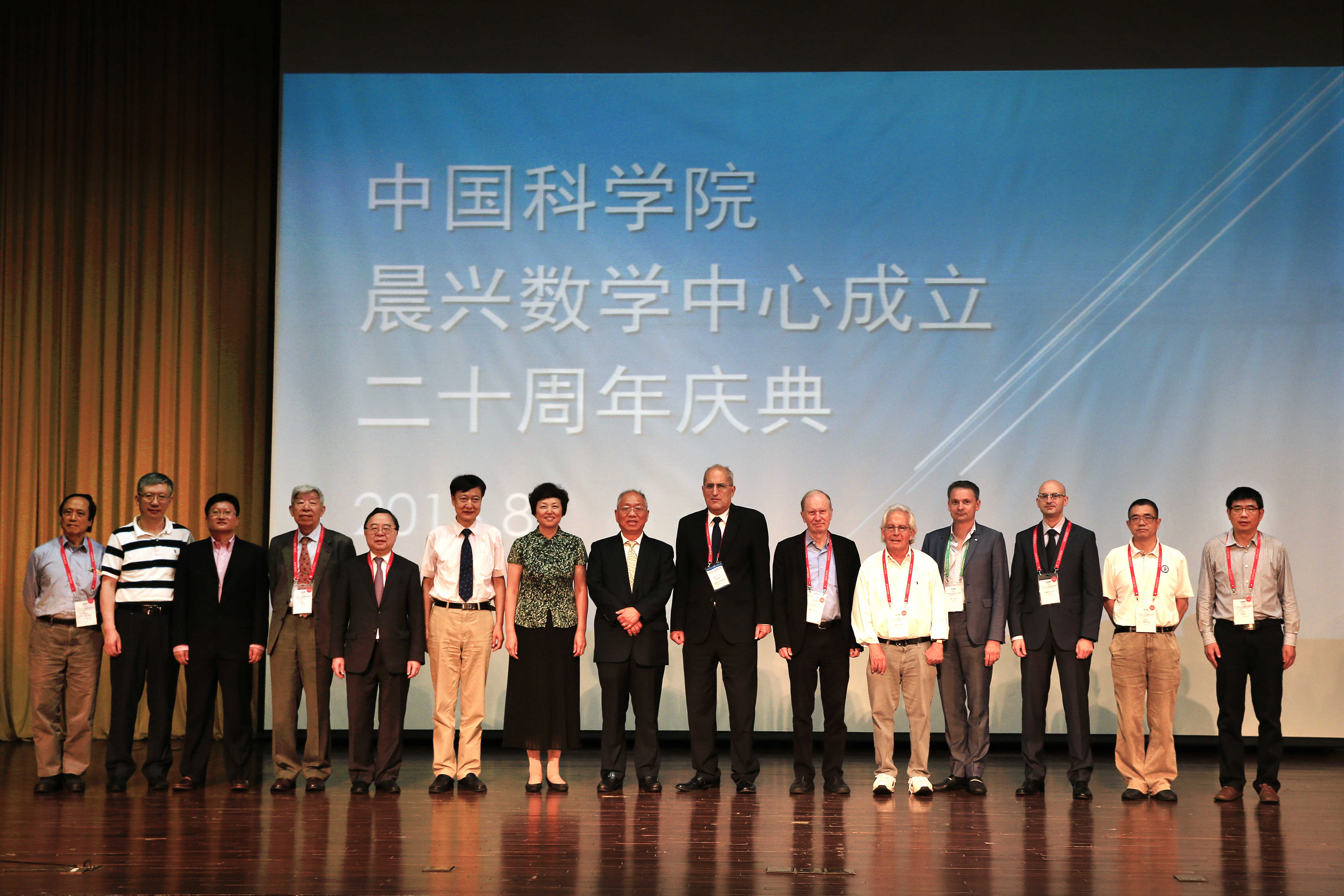
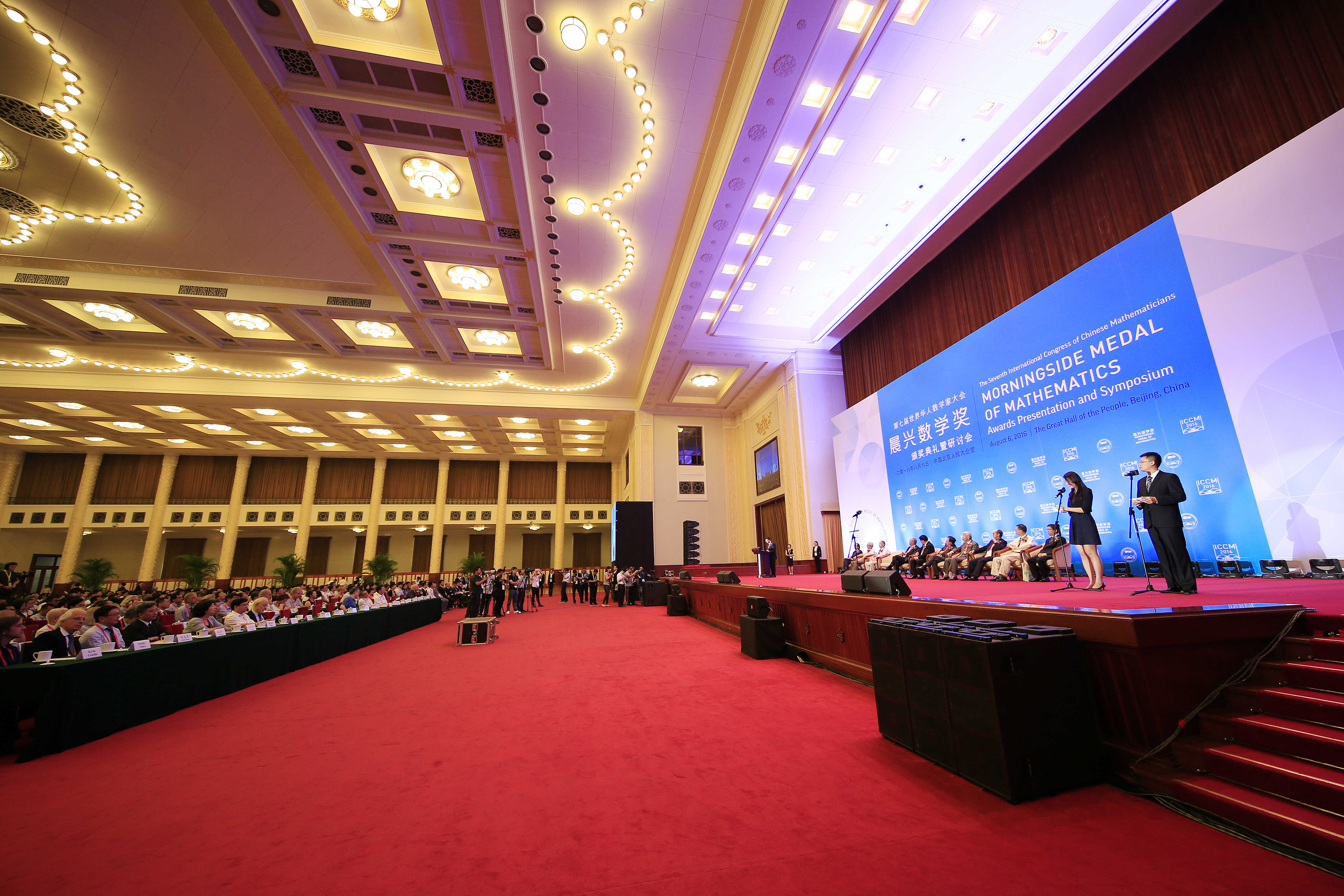
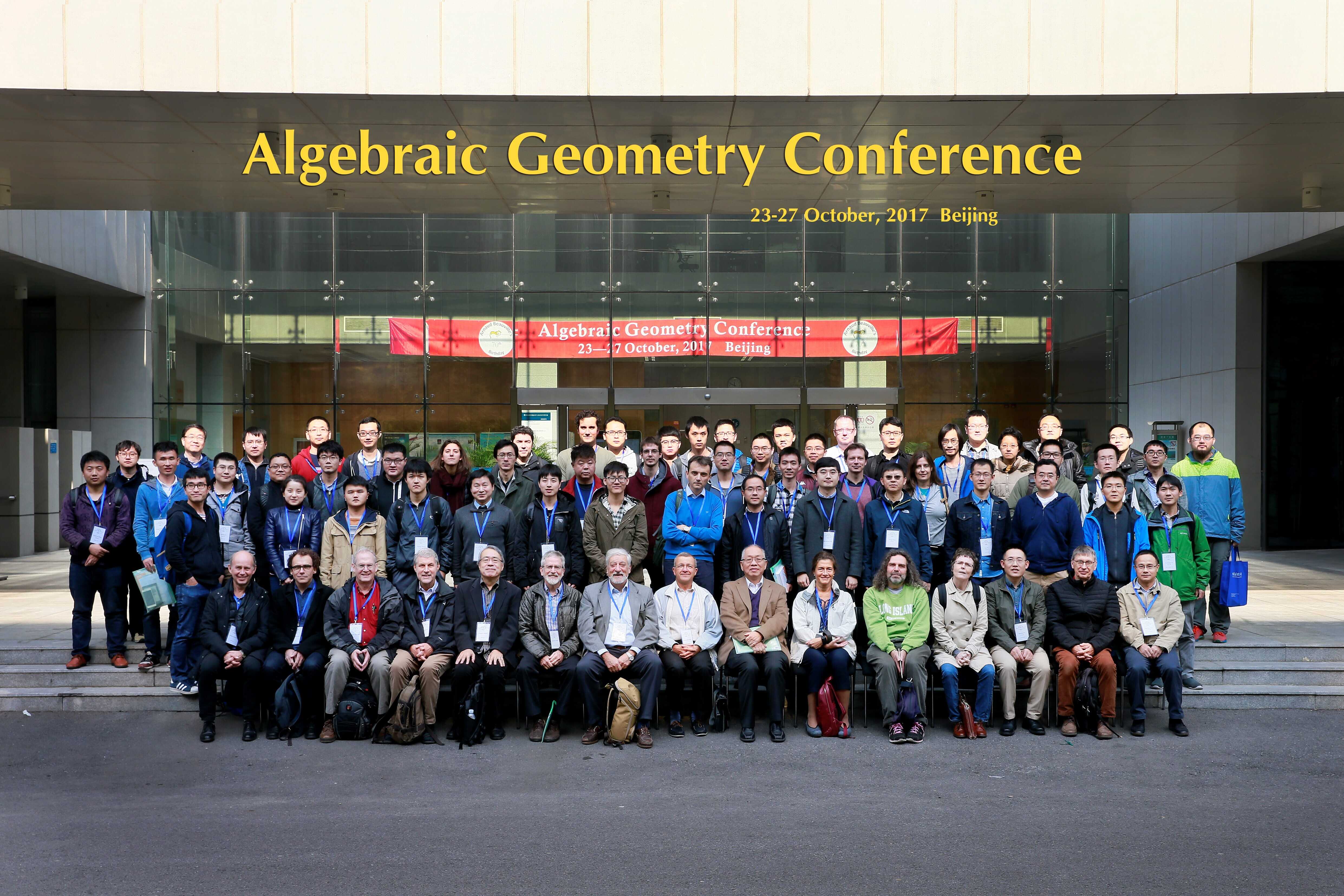
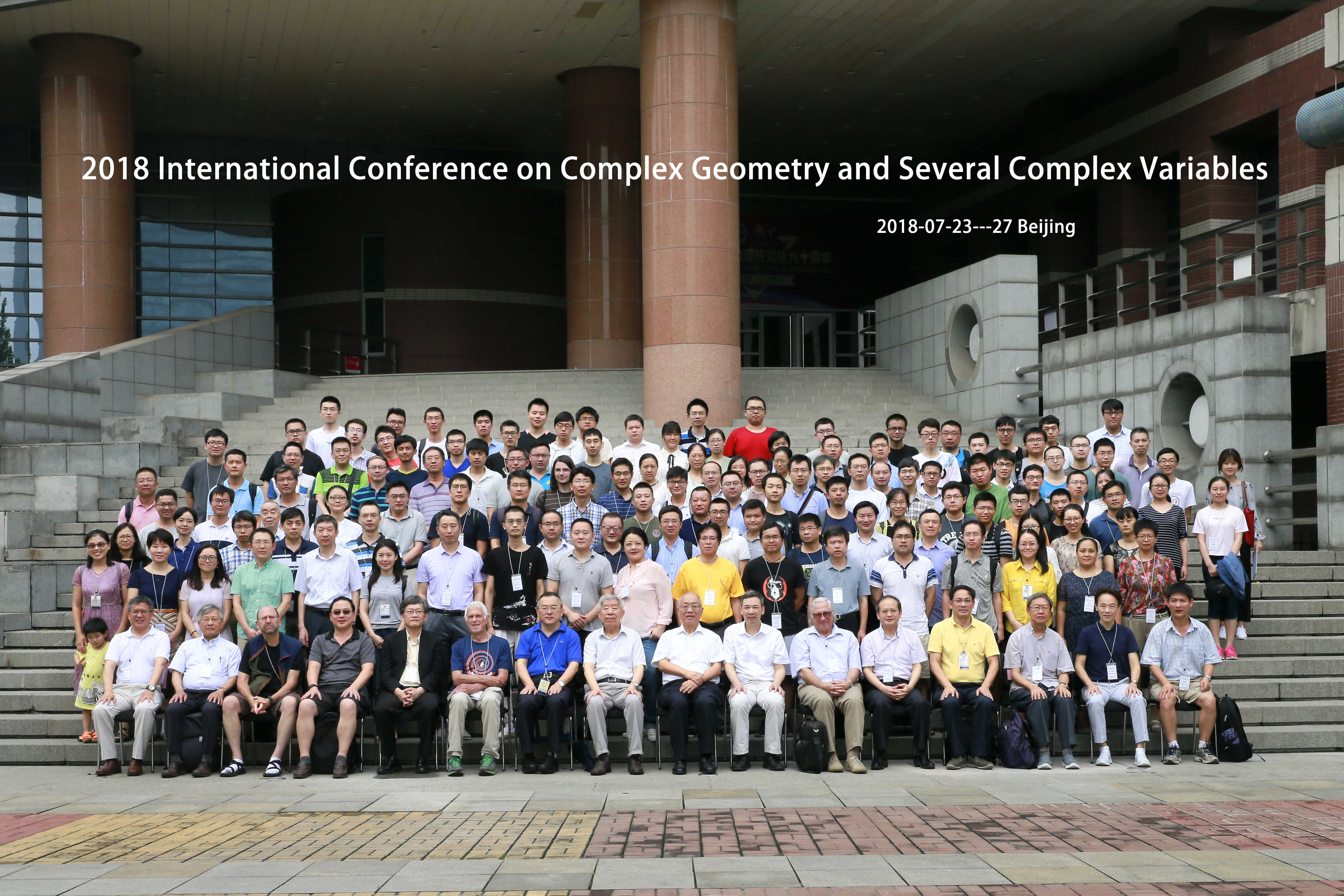
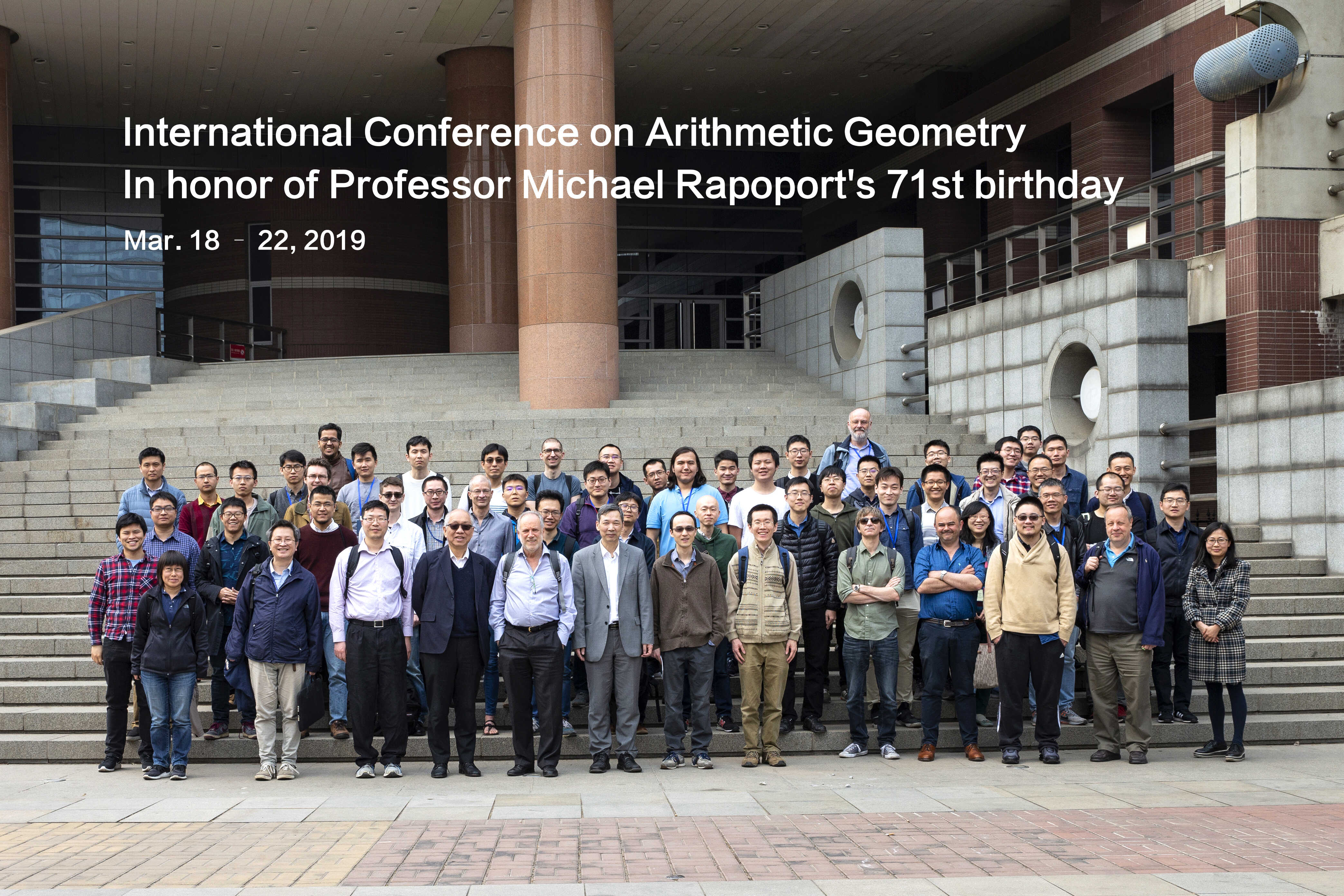
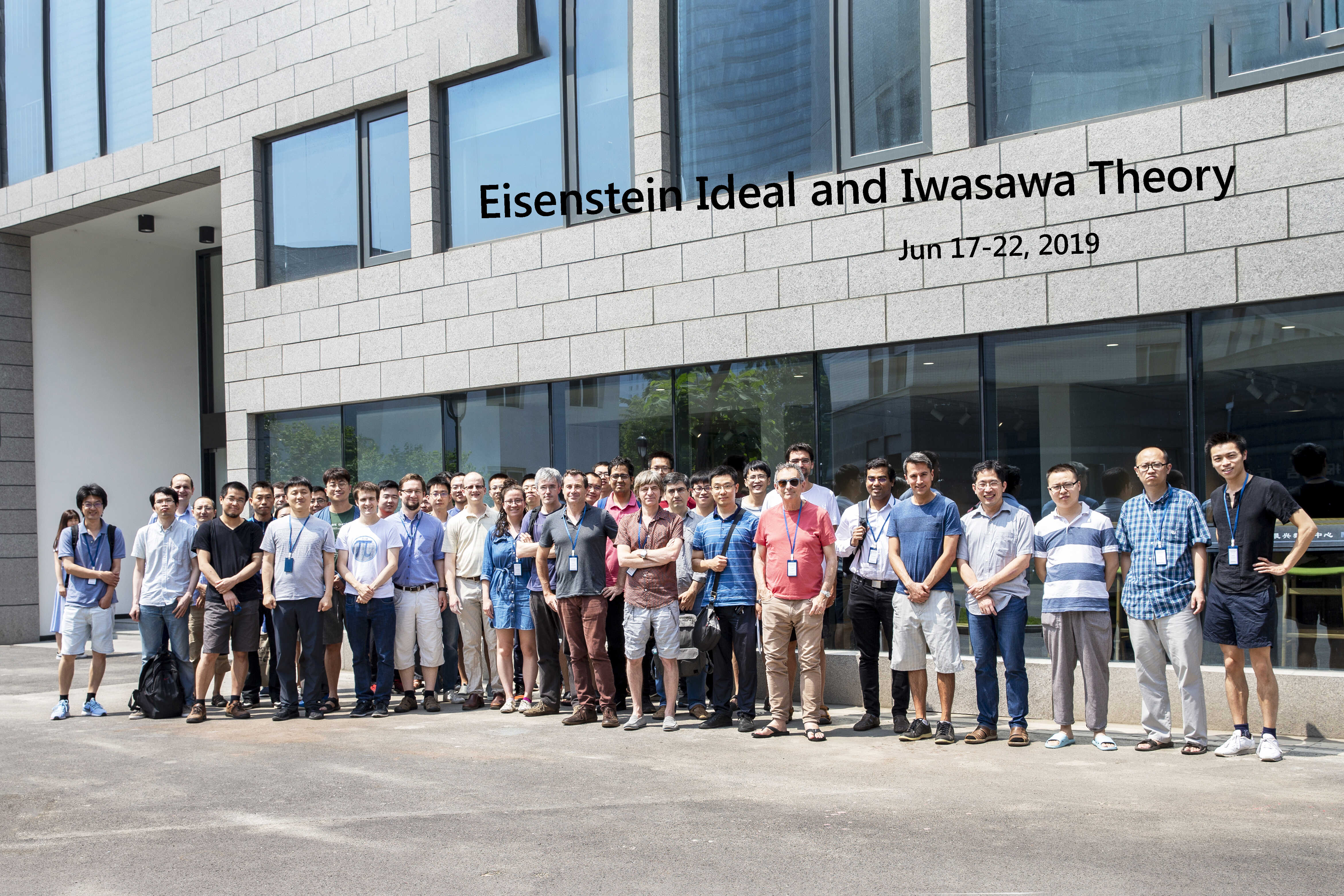
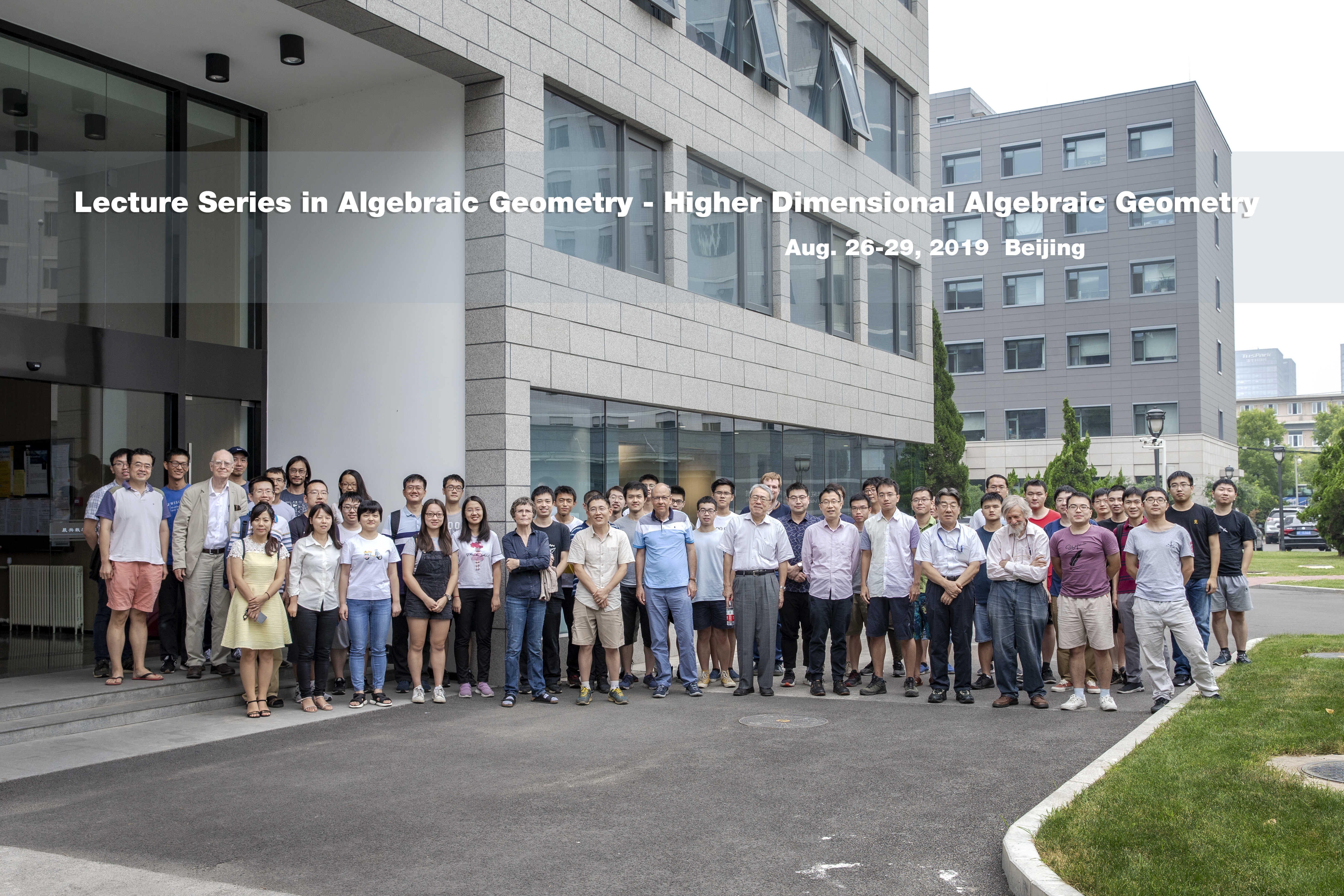
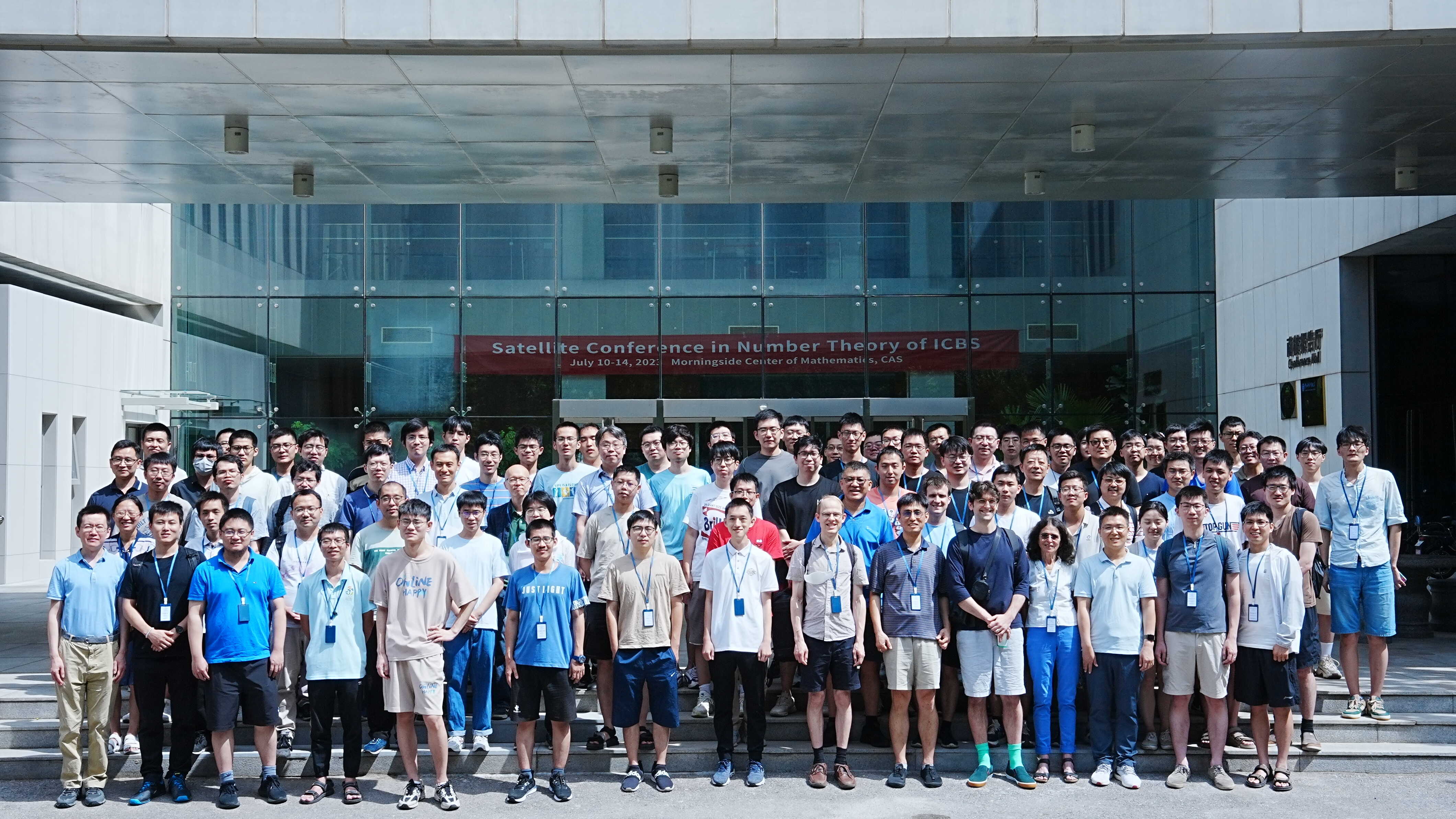
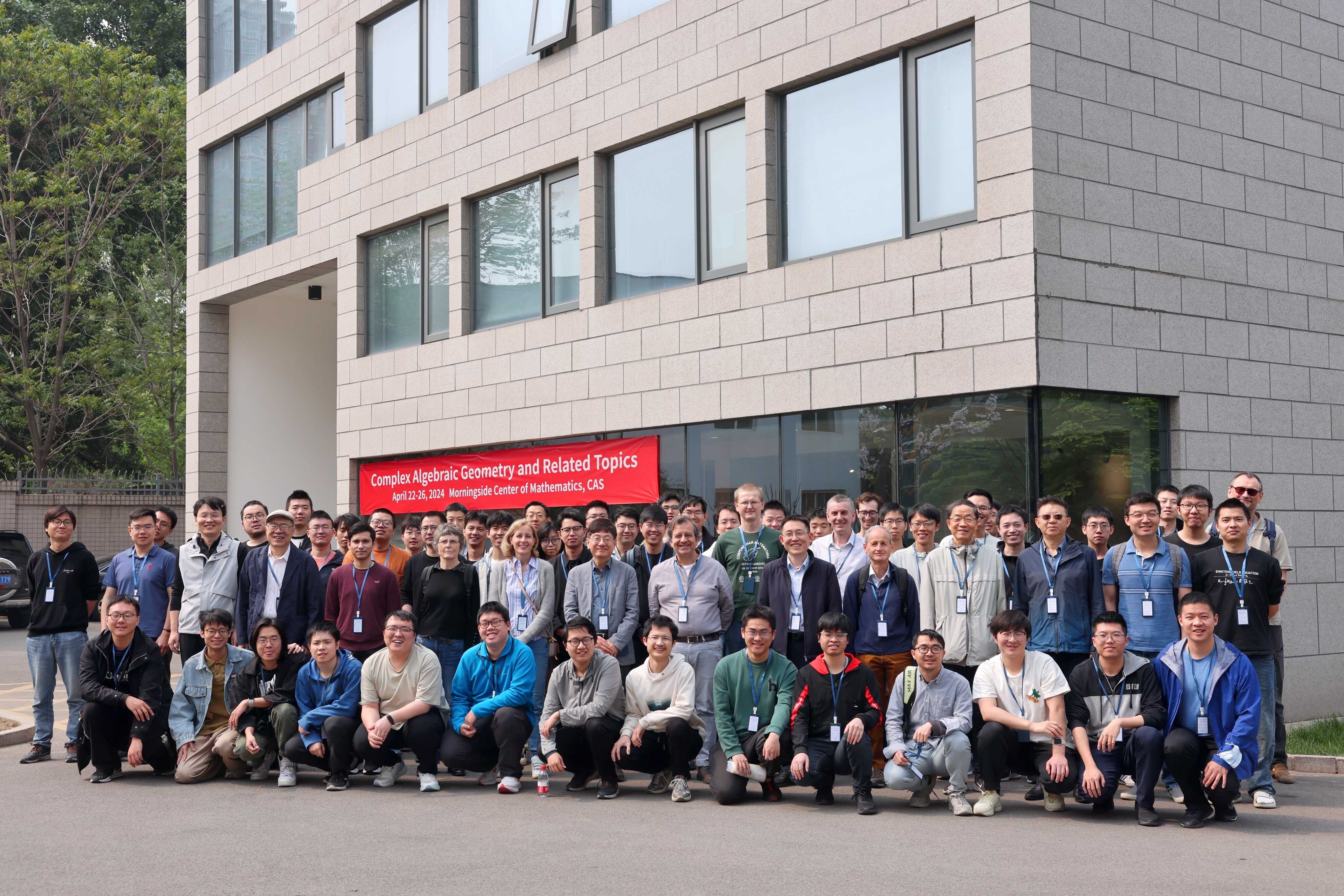


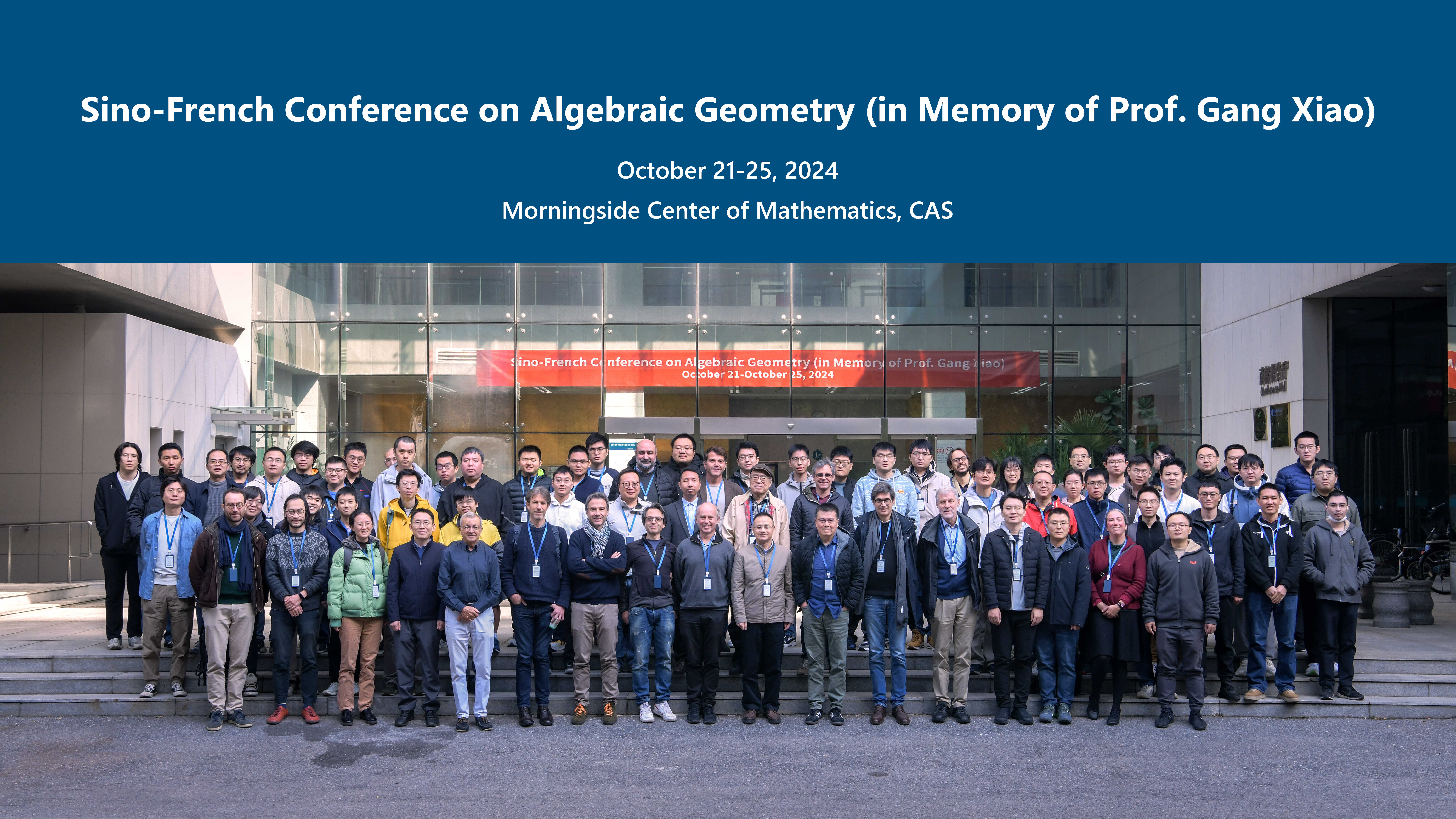

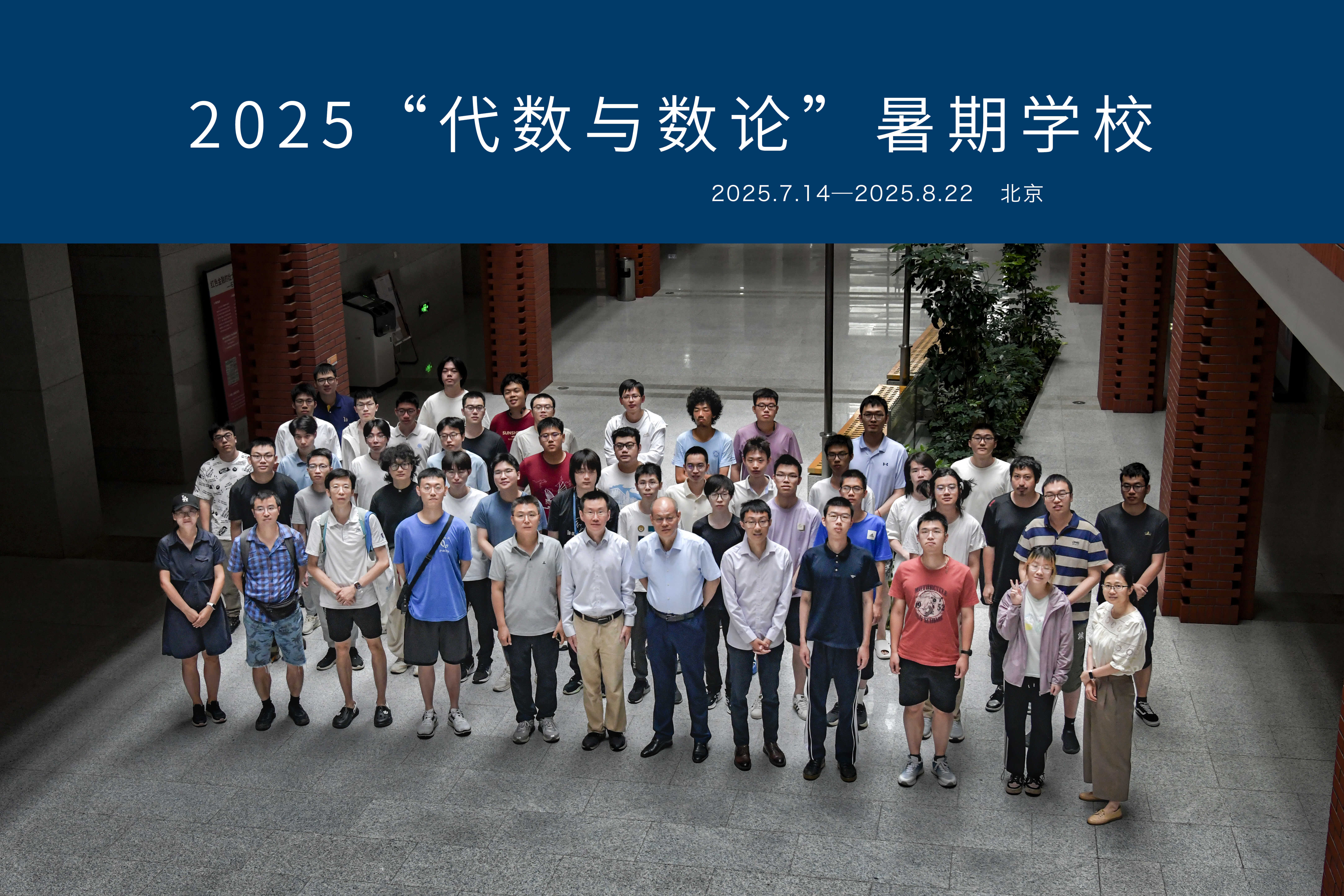
The Morningside Center of Mathematics was formally established in June of 1996, after nearly one year of discussion and preparation amongst President Lu Yongxiang of the Chinese Academy of Sciences, Professor S.T.Yau of Harvard University and Mr. Ronnie Chan, the Chairman of the Morningside Group. The goal of the MCM is to gradually become a thriving center of mathematical research, which provides training young, talented mathematicians while fostering extensive mathematical exchange, both within the center itself and throughout the mathematical community at large. It was expected that, after many years of strenuous effort, the MCM would emerge as a vital institution for mathematical research and education in China, as well as establish itself as a key actor on the world stage, much like the Institute for Advanced Study at Princeton.
In 1997, the MCM initiated six projects exploring topics such as arithmetic algebraic geometry, geometric analysis, and partial differential equations. In the following year, in addition to pursuing these six expansive projects, the MCM hosted the first International Congress of Chinese Mathematicians in Beijing, which brought over four hundred mathematicians from outside of Asia, Mainland China, Hong Kong, Macau, and Taiwan. Moreover, it assisted the selection committee in deciding on the recipients of the two gold medal and four silver medal winners of the newly created Morningside Prize of Mathematics. Additionally, the Morningside building, which was financially supported by both the Chinese Academy of Sciences and the Morningside Group, was completed in 1998.
Abstract:
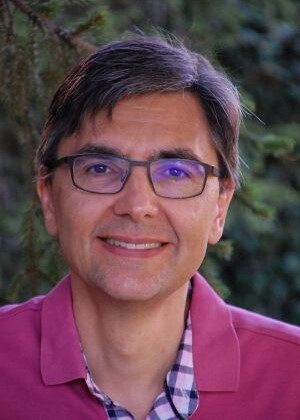
I will survey on the Kervaire invariant problem and discuss the recent solution of the final case in dimension 126, joint work with W. Lin and G. Wang.
Introduction:
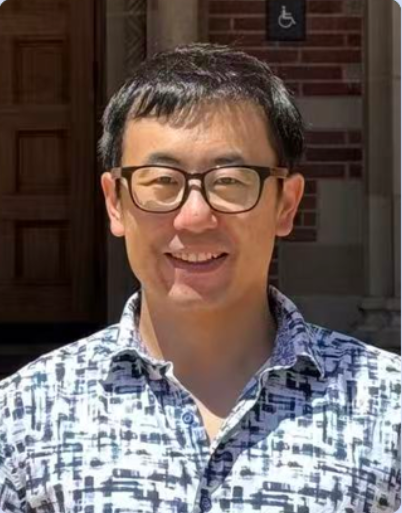
Zhouli Xu is a Professor of Mathematics at the University of California, Los Angeles. His research specializes in algebraic topology, particularly focusing on classical, motivic, and equivariant stable homotopy groups of spheres, with connections to algebraic geometry and geometric topology.
His distinguished honors include being elected a Fellow of the American Mathematical Society (2023), receiving the K-Theory Prize for mathematicians under 35 (2022), and being an invited speaker at the International Congress of Mathematicians (2022). He has also been recognized with multiple ICCM Best Paper Awards (2018, 2023, 2025), Frontiers of Science Awards (2023, 2024), an AMS Centennial Research Fellowship (2025-2026), and ICCM Silver Medal of Mathematics (2025). He has published multiple articles in Annals of Mathematics, Acta Mathematica, Publications Mathématiques de l'IHÉS, and Inventiones Mathematicae.
Abstract:
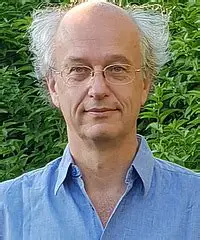
L-functions associated with automorphic representations generalize the Riemann zeta function and the Dirichlet L-functions. They are central objects in the arithmetic Langlands program. The emerging relative Langlands program predicts deep links between periods of automorphic forms and special values of automorphic L-functions. After introducing these objects and reviewing their construction in some basic cases, we will describe some situations where such links have been established in recent years.
Introduction:
Pierre-Henri Chaudouard is Professor at Université Paris Cité and a Senior Member of the Institut Universitaire de France. His research lies in automorphic forms and the Langlands program, with a particular focus on Arthur–Selberg trace formulas, relative trace formulas, and their applications to Langlands functoriality, the Gan–Gross–Prasad program, and the geometry of moduli spaces of Higgs bundles. He is well known for his joint work with Gérard Laumon on Arthur's weighted fundamental lemma, and for important contributions to the Gan–Gross–Prasad conjectures for unitary groups. He has won the Compositio Mathematica Prize.
Abstract:
Tate discovered that there is no 2\pi i in C_p. This lead Fontaine to construct a ring B_{dR} that contains the p-adic periods of algebraic varieties as was proven in the years 1985-2010. I will give an overview of the fascinating properties of this ring, and explain what we know about periods of analytic varieties.
Introduction:
Professor Pierre Colmez is a Directeur de recherche at CNRS, affiliated with the Jussieu Institut of Mathematics, Sorbonne University. He received his PhD in mathematics from the University of Grenoble in 1988, under the guidance of John Coates and Jean-Marc Fontaine. He is a leading expert in p-adic Hodge theory, Iwasawa theory, and the p-adic Langlands program. His construction of the p-adic local Langlands correspondence for GL_2(Qp) is a landmark contribution to modern number theory.
Professor Colmez was an invited speaker at the ICM in 1998 and the ECM in 2012, and has received several major honors, including the Prix Gabrielle Sand et Guido Triossi (1999), Fermat Prize (2005), and Prix Léonid Frank (2016). He is a member of the Academy of Europe (2020).
Abstract:
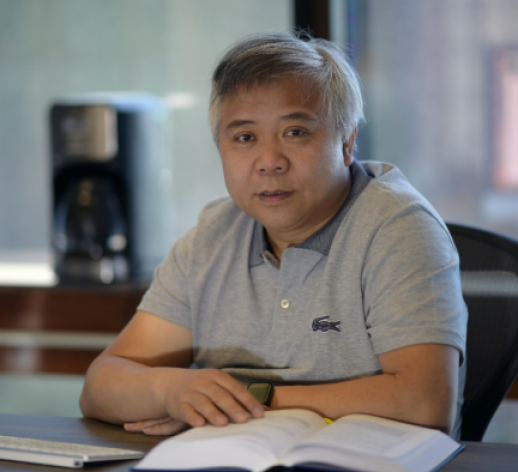
This is an expository lecture where I plan to discuss various problems surrounding Calabi's program on the existence problem of extremal K\"ahler metrics with singularities.
Introduction:
Professor Xiuxiong Chen, the founding director of the Institute of Geometry and Physics, University of Science and Technology of China. He graduated from the University of Pennsylvania and studied under the famous geometer Eugenio Calabi. In 2002, he was invited to give a 45-minute lecture at the International Congress of Mathematicians. In November 2018, he won the Veblen Prize of the American Mathematical Society. In June 2019, he won the Simmons Investigator Award.
Abstract:
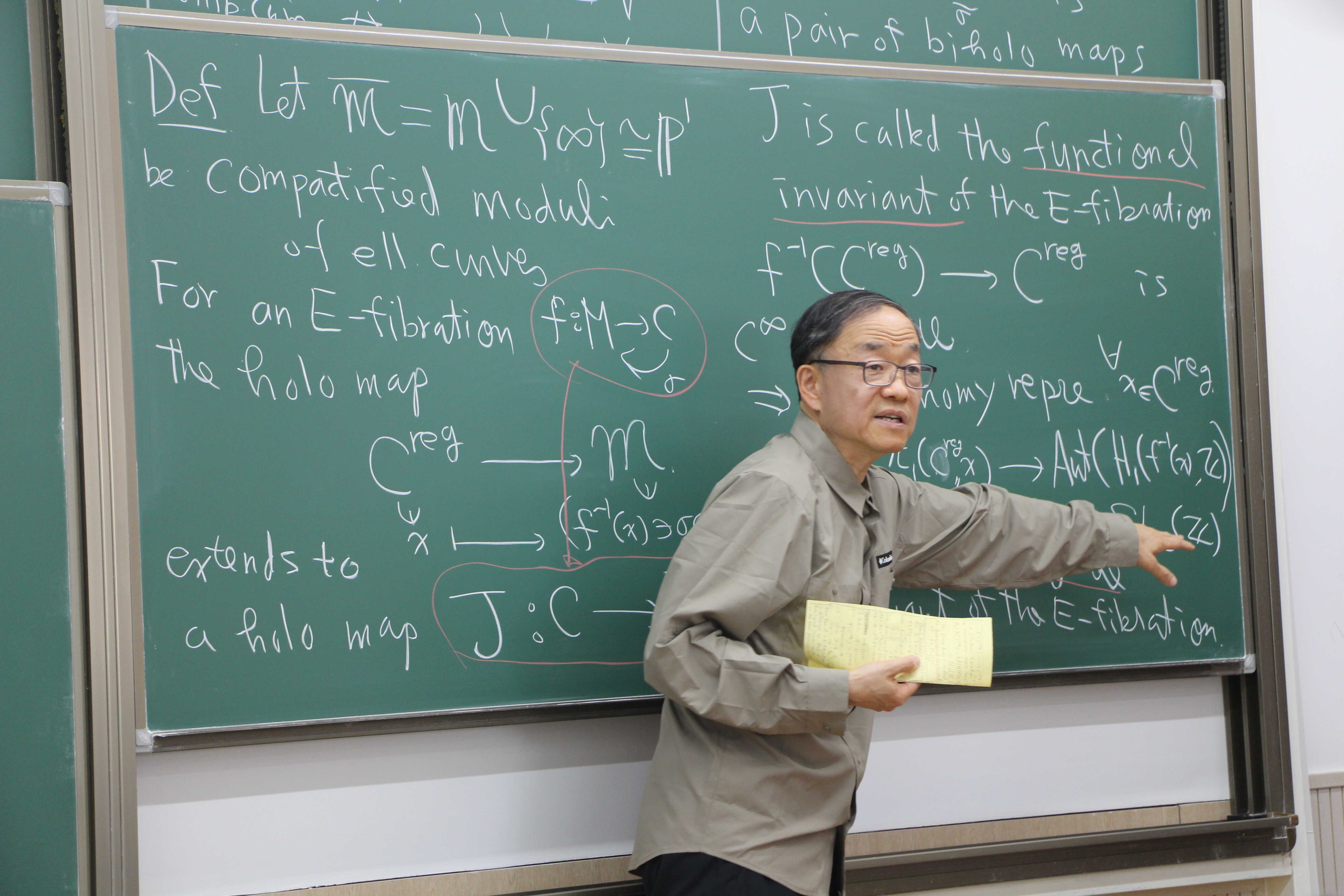
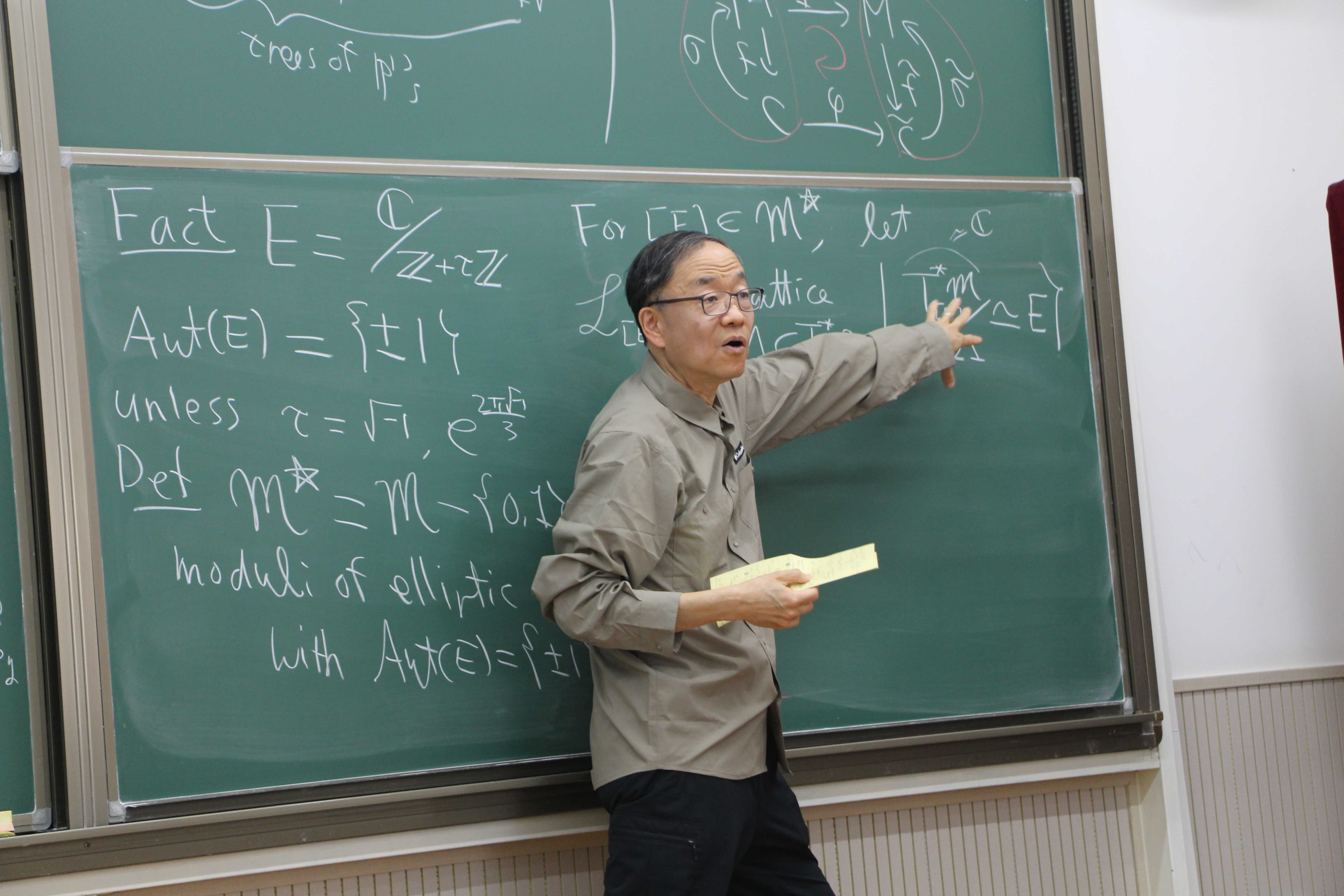
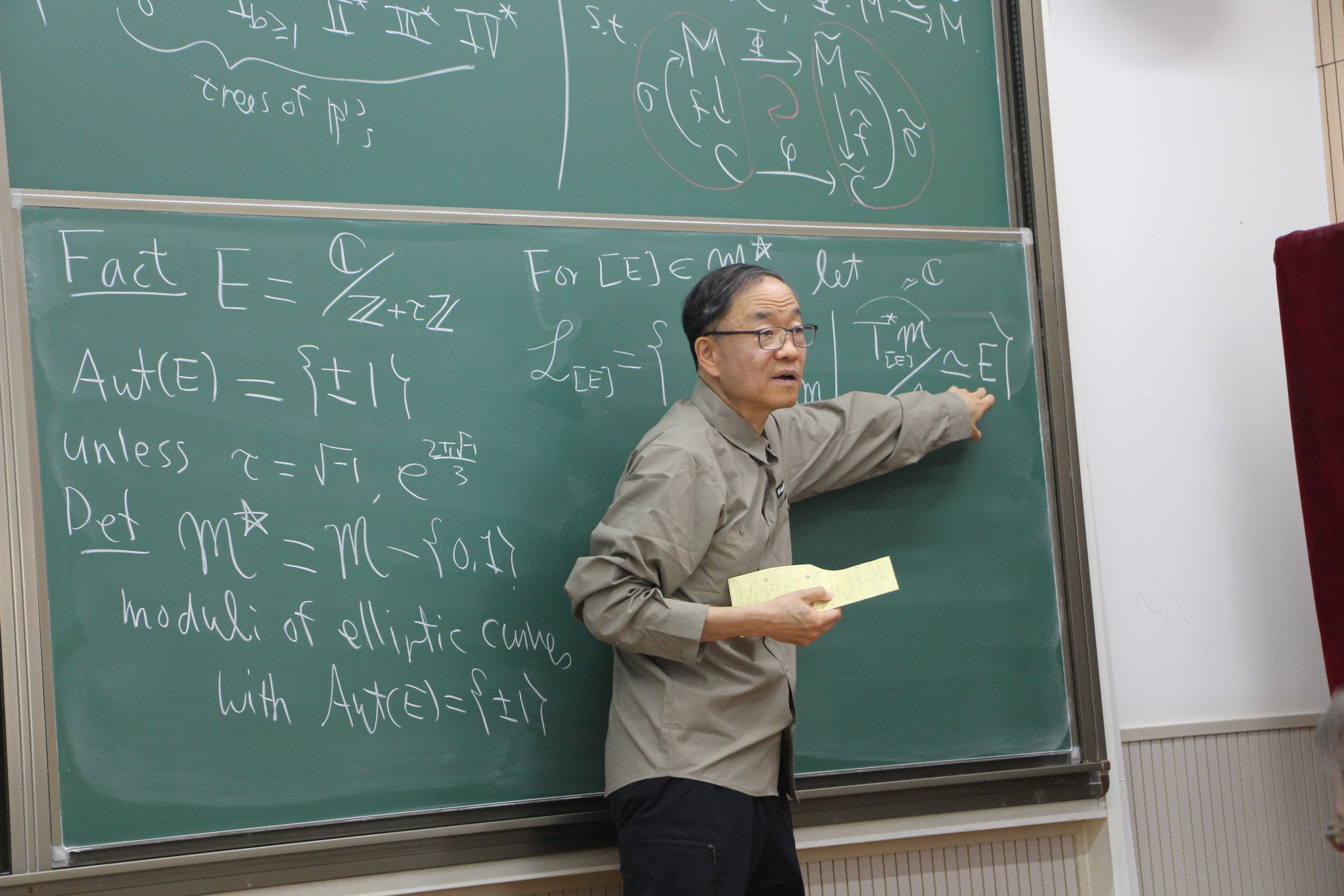
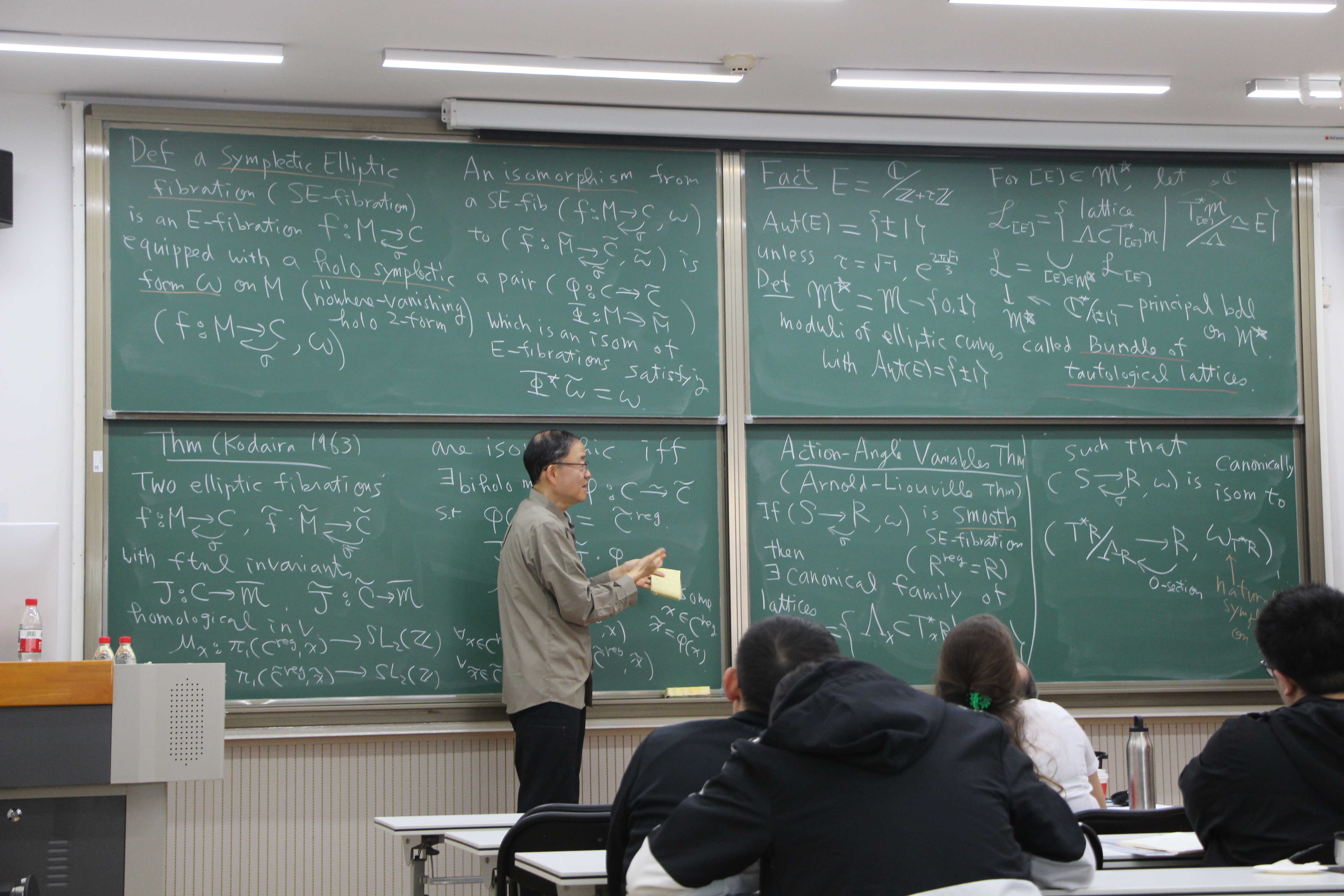
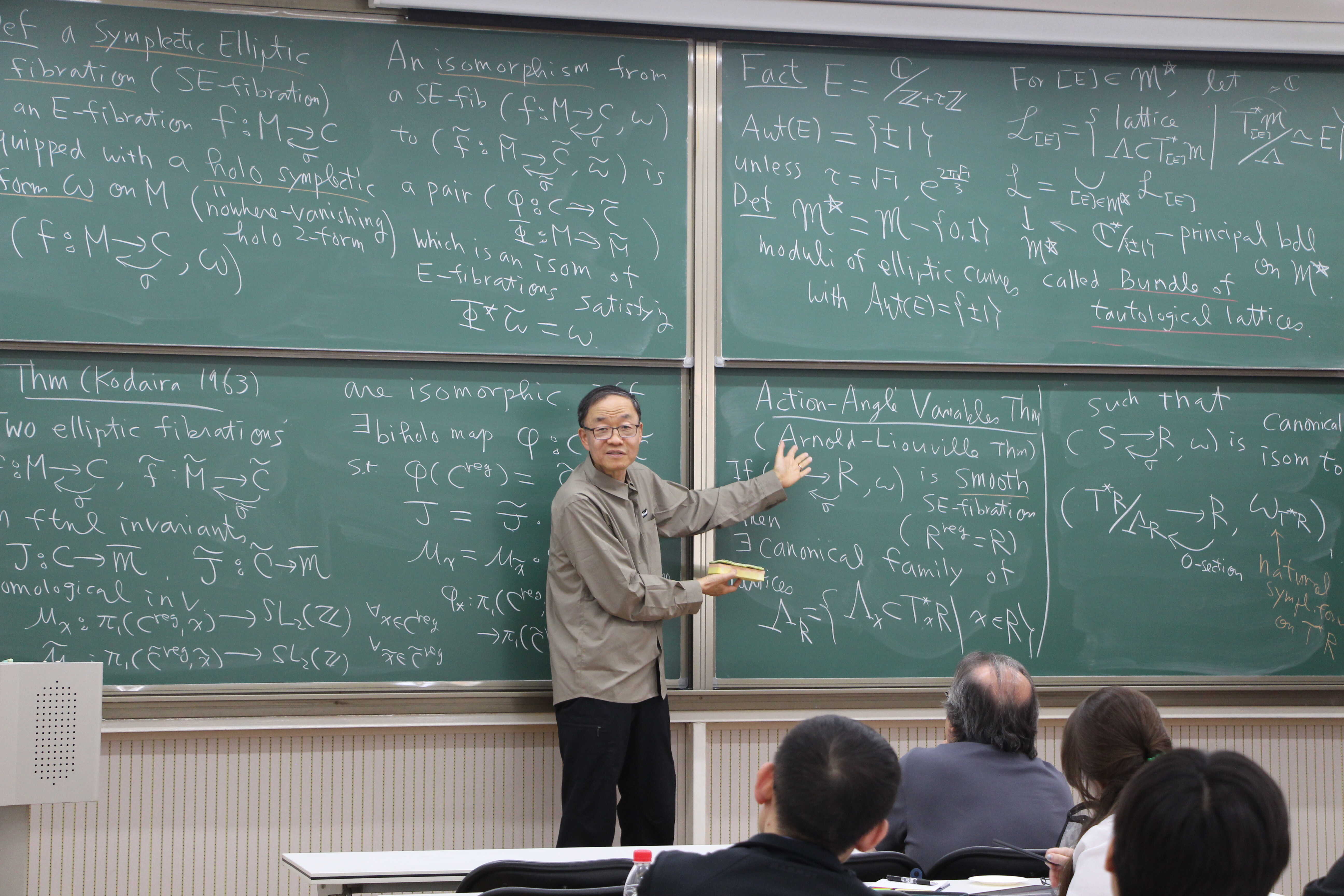
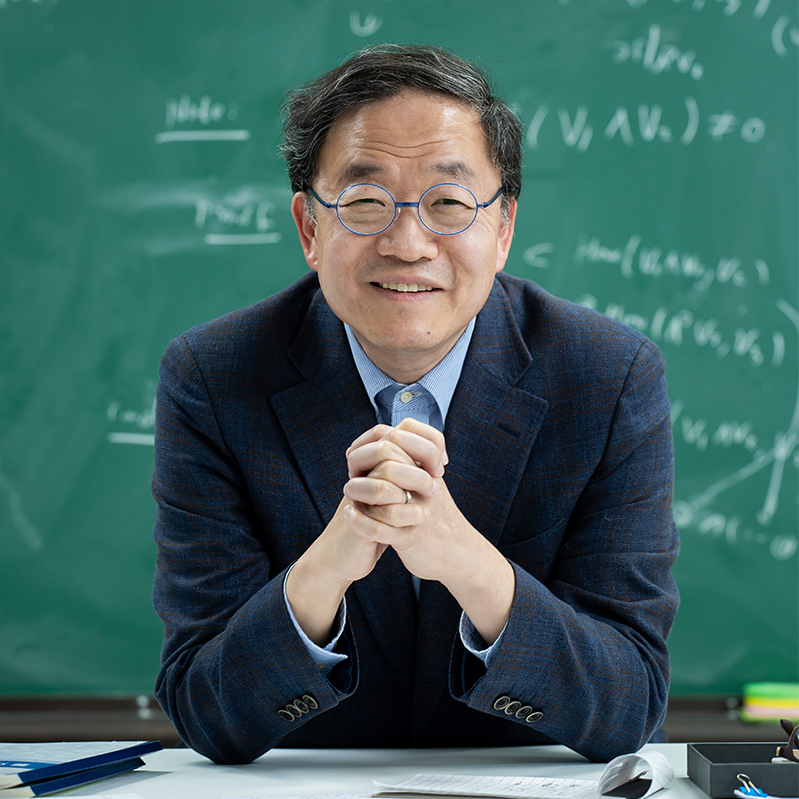
When a complex surface X admits a nowhere vanishing holomorphic 2-form, it determines a (holomorphic) symplectic structure on X. We study the symplectic geometry of such a symplectic structure when X is an elliptic surface. When the elliptic fibration is nonisotrivial, we define a factorization of Kodaira's functional invariant, which determines the symplectic geometry of a nonisotrivial elliptic fibration. This leads to a classification of isogenies of nonisotrivial symplectic elliptic fibrations with a fixed source. We also classify isogenies of symplectic elliptic fibrations with a fixed target in terms of germs of singular fibers.
As an application, we prove that a symplecto-biholomorphic map between germs of fibers of nonisotrivial elliptic K3 surfaces can be extended to compositions of isogenies of K3 surfaces. This is a joint work with Guolei Zhong.
Introduction:
Jun-Muk Hwang is the founding director of the Center for Complex Geometry at the Institute for Basic Science (IBS) in Korea, established in September 2020. He received the Korea Science Prize in 2001 and the Ho-Am Prize in 2009. He was an invited speaker at the ICM2006 and a plenary speaker at ICM 2014.
Hwang's research focuses primarily on complex algebraic geometry, with a particular emphasis on using the theory of rational curves to study the geometry and classification of projective algebraic varieties. His work has profoundly revealed the intrinsic relationships among Fano varieties, homogeneous manifolds, and projective varieties with a rich structure of rational curves. Hwang's work combines geometric intuition with algebraic rigor. His achievements have not only advanced the field of complex geometry but also deeply intersected with representation theory, differential geometry, and mathematical physics. As a leading figure in Korean complex geometry, he has cultivated an active research team, making the Center for Complex Geometry a major international hub in this field.
2026.12.12-2026.12.16 / MCM110
TBA
TBA
TBA
| Pierre-Henri Chaudouard |
IMJ-PRG, Université de Paris Cité |
| Yu Deng (to be confirmed) | University of Chicago |
| Jian Ding | Peking University |
| Kenji Fukaya | YMSC, Tsinghua University |
| Xuhua He | The University of Hong Kong |
| Jun-Muk Hwang | IBS Center for Complex Geometry |
| Erez Lapid | The Weizmann Institute of Science |
| Si Li | YMSC, Tsinghua University |
| Fang-Hua Lin | New York University |
| Junliang Shen (to be confirmed) | Yale University |
| Binyong Sun | Zhejiang University |
| Song Sun | Zhejiang University |
| Ye Tian | MCM, CAS |
| Kari Vilonen (to be confirmed) | University of Melbourne |
| Sijue Wu | University of Michigan |
| Xinyi Yuan | Peking University |
| Ruixiang Zhang(to be confirmed) | UC Berkeley |
| Shou-Wu Zhang | Columbia University |
TBA
TBA